Pioneering environmental monitoring systems using radio-powered air sensors to monitor prescribed burns in real-time.
About the Project
Cutting-Edge Technology
Deploying a network of low-cost, low-power environmental sensors connected via radio to monitor fire and smoke during controlled burns.
Environmental Impact
Providing real-time and forecasted data to land managers to optimize prescribed burns and minimize smoke exposure.
Interdisciplinary Collaboration
Working with local communities and government agencies to ensure the system meets their needs.
The Science Behind It
Sensor Deployment
Strategically placing sensors in the field to capture comprehensive environmental data including smoke, temperature, relative humidity, and wind.
Radio Communication
Leveraging low-power radio technology to transmit sensor readings in real-time.
Advanced Machine Learning
Applying machine learning algorithms to transform raw sensor data into actionable insights to support prescribed fire, community health, and ecosystem management.
Our Innovative Approach
Customized Sensors
Designing specialized environmental sensors tailored to the needs of prescribed fire monitoring.
Scalable Network
Developing a modular, expandable network to cover large areas and diverse landscapes.
User-Friendly Interface
Creating intuitive data visualization and reporting tools for land managers and policymakers.
Partnerships
Collaborating with multiple departments, local communities, and government agencies.
Current Stage
The team is working at Lab64 to build a modular design of the sensor suite that allows for easy installation and adjustment in various terrain, from dense forests to open grasslands.


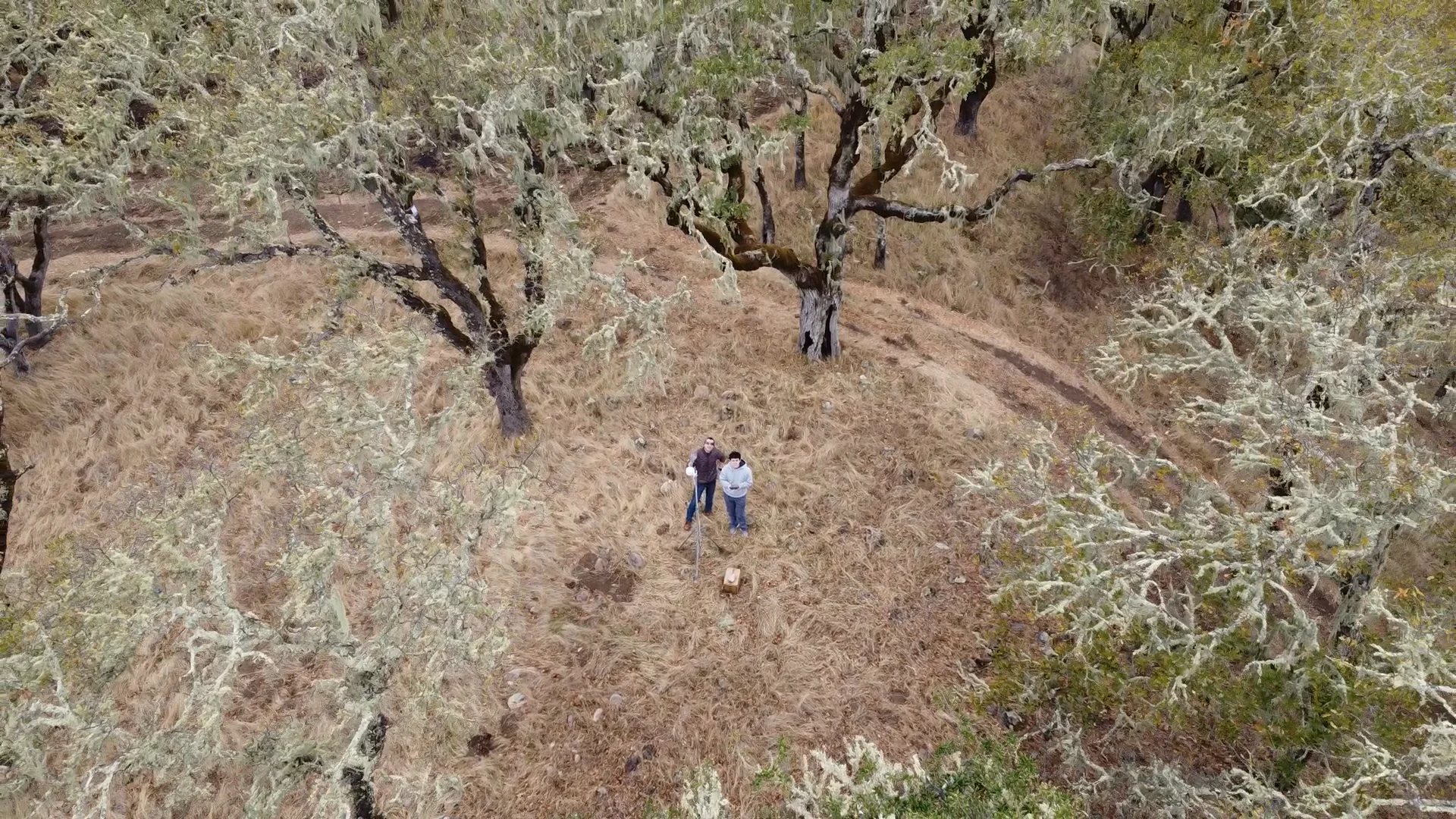
The team has conducted field testing and pilot deployments of the sensor network in several Northern California locations, gathering valuable data and feedback from land managers.


cdn.gamma.app


cdn.gamma.app

cdn.gamma.app
00:13

smesh_pepperwood

stanforddish.jpg

jasperridge.JPG
Upcoming Milestones
Field Testing
Testing the sensor suites in additional regions for data collection and research.
Data Integration
Integrating sensor data with environmental models for comprehensive analysis.
Stakeholder Engagement
Strengthening partnerships with land managers, policymakers, and community groups.
Meet the SMesh Team
Jessica Yu, PhD
Lead Investigator, Environmental Health
Lisa Fung
Computer Science
Daniel Neamati, MS
Aerospace Engineering
Victor Hunyh
Electrical Engineering
Evan Twarog, BEng
Electrical Engineering
Karl Toepperwien, PhD
Atmospheric Science
Ashley Raigosa
Computer Science
Hannah Watkins
Mechanical Engineering
Quyen Thu Vo
Computer Science
Micha David Rand
Electrical Engineering
Catherine Fisher
Mechanical Engineering
Henry Wang
Data Science
SMesh Network of Support
- Jack Low, Computer Science
- Anh Ho, Electrical Engineering
- Bryan Liu, Computer Science
- Guilherme Simioni Bonfim, Computer Science
- Marcarious Amoah, Mechanical Engineering
- Jack Rokous, Mechanical Engineering
- Adam Young, Computer Science
- Joshua Dong, Computer Science
- Aditi Bashkar, Computer Science
- Rohan Lingam, Electrical Engineering
- Esmee Cowing, Computer Science
- Jack Goler, Atmospheric Science
- Philippe Roberge, Earth System Science
- Hugo Budd, Civil Engineering
- Kirby Fung, Hardware Design
- Benjamin Dourthe, Machine Learning and Artificial Intelligence
- Srikanth Samy, LLM and Chat Interface
- Pete Mahowald, Adjunct Lecturer in Electrical Engineering, Lead Technical Advisor
- John Pauly, Electrical Engineeirng
- Chris Field, Climate Science
- Michael Wara, Climate and Energy Policy Program
- Mike Maastrandrea, Climate and Energy Policy Program
- Deborah Sivas, Environmental & Natural Resources Law & Policy Program
- Qiao Kang, Environmental Engineering
- David Leeson, Electrical Engineering
Opportunities to Get Involved
Volunteer
Join our team of scientists, engineers, and environmental enthusiasts and help build sensors and deploy the sensor network in the field.
Collaborate
Partner with us to integrate the system into your land management or research activities.
Donate
Support the project's expansion and ongoing operations through financial contributions.
SMesh: Radio Sensor Networks to Support Fire Management